
Slow-Cooked Beef Stew with Root Vegetables

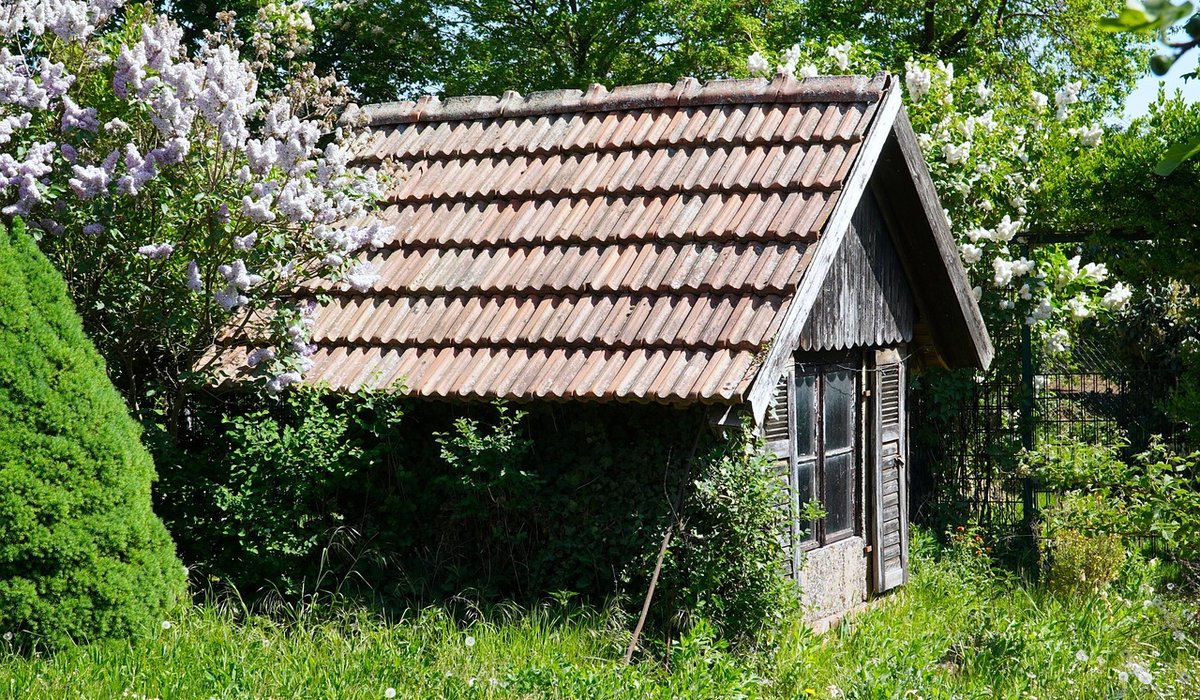
There is something deeply satisfying about a pot of beef stew blipping quietly on the hob while rain streaks the kitchen window. After a long walk across muddy fields, with rosy cheeks and damp boots, this is the kind of supper that restores you. It uses the humble roots we grow and store through winter — carrots, parsnips and swede — and turns an economical cut of beef into something tender, rich and comforting. Best of all, it is a one-pot affair: little fuss, big reward.
Why slow-cooked beef stew suits cottage life
Rustic cooking is not about perfection. It is about making the most of what the season offers and letting time do the work. A stew embodies that spirit. It asks for a heavy casserole, a low oven and a few hours of patience, during which the house fills with a scent that promises supper is on its way. Unlike a flash-fried steak, a stew improves as it sits. The collagen in the beef melts into the gravy, the roots soften and sweeten, and the whole pot becomes greater than the sum of its parts. It is thrifty, forgiving and endlessly adaptable — exactly what a country kitchen needs when the weather turns cold and the vegetable rack is full of earthy roots.
Choosing beef and roots with care
For the deepest flavour, look for beef shin, chuck or brisket. These hard-working cuts are full of connective tissue and made for long, gentle cooking. You want about 1.2kg, cut into rough 4cm chunks. Pat the meat dry before it goes near the pan — damp beef steams rather than sears. For the roots, choose firm, heavy specimens with no soft spots. Three decent carrots, two parsnips and half a medium swede will serve four to six. Swede has a lovely peppery edge that cuts through the richness of the beef. Peel and cut everything into chunky, mouthful-sized pieces, keeping them roughly even so they cook at the same rate.
The method: sear, soften, deglaze, simmer
Heat two tablespoons of dripping or rapeseed oil in a large, heavy casserole over a medium-high heat. Season the beef generously, then brown it in batches. Do not crowd the pan, or the meat will release its juices and stew rather than caramelise. Proper browning builds the savoury depth that makes a stew memorable. Set the beef aside.
Turn the heat down, add a little more fat if needed, and cook two sliced onions and two chopped celery sticks until soft and golden, about ten minutes. Stir in three crushed garlic cloves, two tablespoons of plain flour and a tablespoon of tomato purée. Cook for a minute, then pour in 300ml of dark ale or red wine. Scrape the bottom of the pan as it bubbles — those sticky brown bits are pure flavour. Return the beef, then add 700ml of beef stock, a few sprigs of thyme, two bay leaves and a teaspoon of Worcestershire sauce. Bring to a bare simmer, cover and transfer to a low oven at 140°C, 120°C fan, gas mark 1, or keep it on the lowest hob setting. Cook for 1½ hours.
Adding root vegetables at the right time
After 1½ hours, the beef should be beginning to yield but not yet falling apart. Add the swede first, as it takes longest to soften. Stir it in, cover and return to the oven for 30 minutes. Then add the carrots and parsnips. They need about 45 minutes to become tender but still hold their shape. Add them too early and they collapse into the gravy, losing their character. Resist the urge to stir often; every stir breaks the roots down a little more. Push them under the liquid once and leave the pot alone. If the stew looks thin at the end, lift the lid and simmer on the hob for ten minutes to reduce. Taste and adjust the seasoning — roots vary in sweetness, so you may want a pinch more salt or a grind of pepper.
Building depth without fuss
A few small additions can lift a good stew into a great one. A tablespoon of redcurrant jelly or a teaspoon of Dijon mustard stirred in at the end rounds off the gravy beautifully. A piece of dried porcini mushroom, rehydrated and finely chopped, adds an earthy note. A splash of balsamic vinegar brightens the whole pot. Fresh parsley, chopped and scattered over the top just before serving, gives a clean, grassy contrast to the deep, slow-cooked flavours.
Serving, storing and the joy of leftovers
Serve this stew with buttery mashed potatoes, a mound of champ, or simply thick slices of sourdough to mop the bowl. For a proper country touch, drop in some dumplings for the last 25 minutes: rub 100g self-raising flour with 50g shredded suet, add a little cold water to bind, season with salt, pepper and chopped parsley, then shape into small balls and nestle them on top of the stew. Cover and cook until puffed and tender.
Like many slow-cooked dishes, this stew is even better the next day. Cool it quickly, then keep it covered in the fridge for up to three days. It freezes well for three months; thaw overnight in the fridge and reheat gently on the hob with a splash of water. A bowl of this after a winter walk, with the wind rattling the windows and the last of the daylight fading, is simple food at its very best.

Joeby Ragpa
This template is so awesome. I didn’t expect so many features inside. E-commerce pages are very useful, you can launch your online store in few seconds. I will rate 5 stars.
ReplyAlexander Samokhin
This template is so awesome. I didn’t expect so many features inside. E-commerce pages are very useful, you can launch your online store in few seconds. I will rate 5 stars.
ReplyChris Root
This template is so awesome. I didn’t expect so many features inside. E-commerce pages are very useful, you can launch your online store in few seconds. I will rate 5 stars.
Reply